
Australians have a peculiar relationship with their built history. The main streets of towns and cities are evidence of how the country modernised in fitful bursts, with little coherent thought given to what should be preserved — or why.
Melbourne, with its coffers bulging from the gold rush, entered the twentieth century with a built environment that rivalled many European capitals, only to allow large parts of it to fall into decline and disrepair through decades of neglect.
That neglect created the conditions in which demolition could later be presented as practical, inevitable, and even desirable. Over the following decades, the city endured sustained and largely unchecked demolition, interrupted only by sporadic and often unsuccessful attempts at resistance.
Melbourne was far from alone in this wave of destruction. Across Australia, the post-war drive for modernity produced a remarkably consistent approach to the built environment. Older buildings were deemed inefficient, obstructive, or too costly to retain. Demolition was treated as the only way forward in the march toward progress. By the time heritage protections began to arrive in earnest, much of what had defined the character of Australian towns and cities had already been cleared away and replaced.
Civic infrastructure, including markets, proved especially vulnerable in this process. In city after city, markets that had served their communities since settlement were demolished, displaced, or dismantled as older institutions were reclassified as inefficient and unfit for modern life.
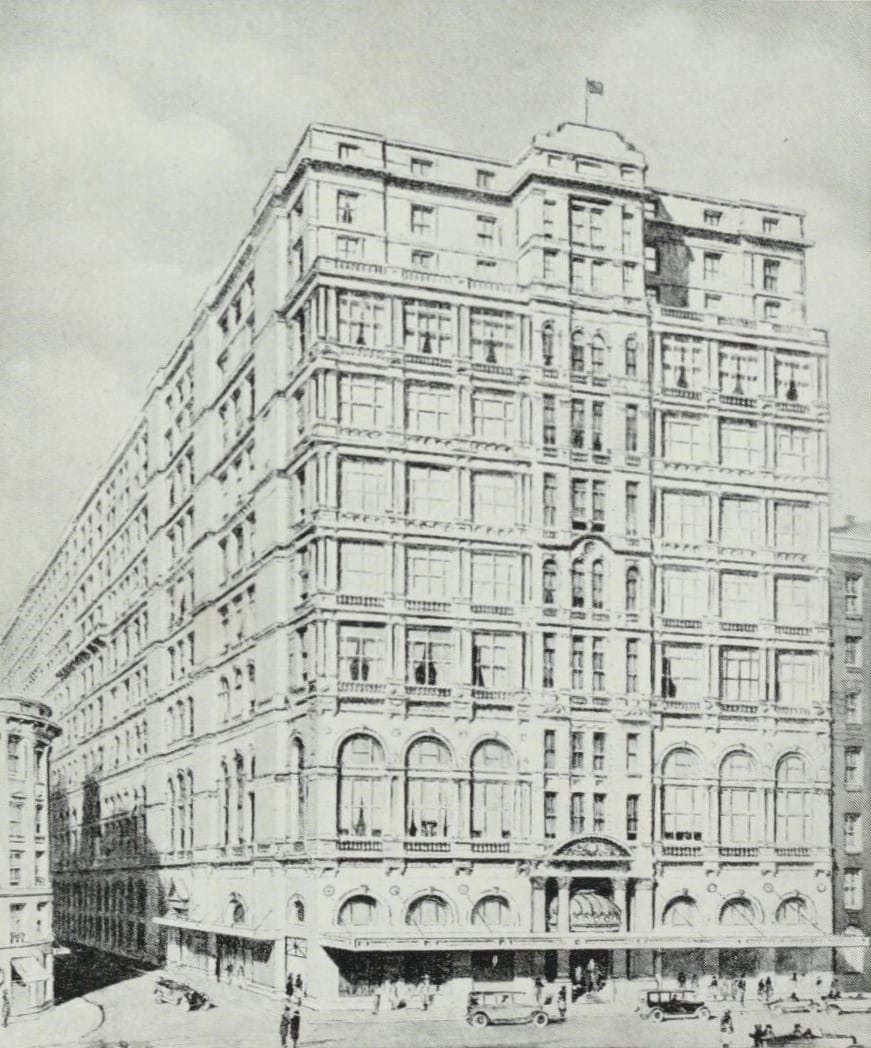
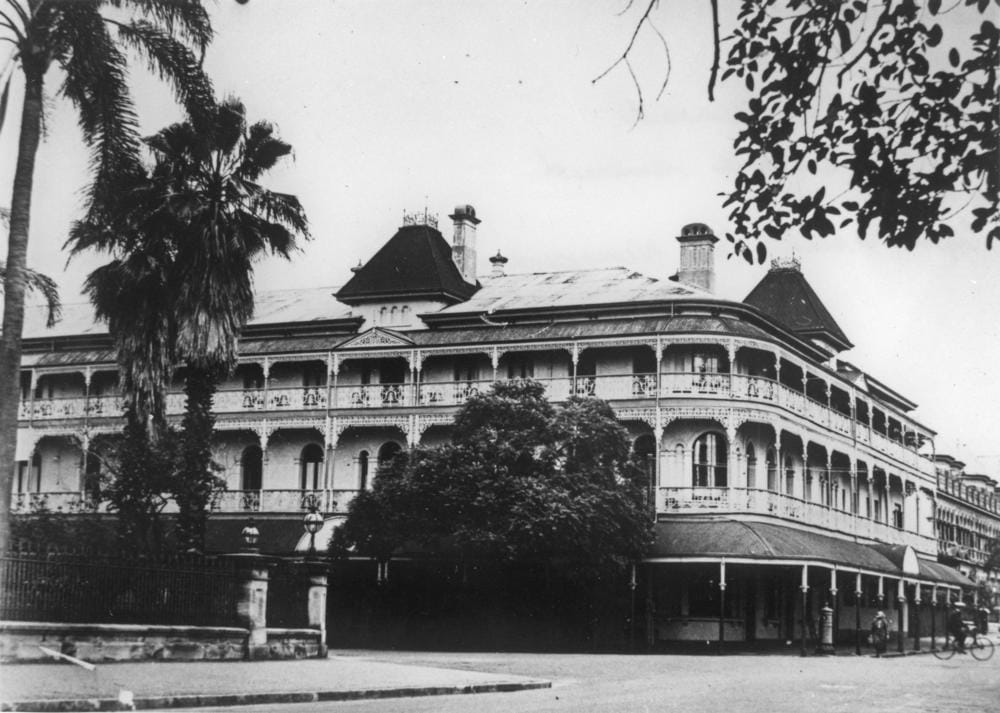
The spree of destruction resulted in more than architectural loss; it reshaped how Australian cities were experienced and understood. The loss of Melbourne’s Paris End of Collins Street, the destruction of Sydney’s Australia Hotel and the demolition of Brisbane’s Bellevue Hotel marked the removal of places that had anchored civic life, memory, and identity. What replaced them — car parks, office buildings, and traffic infrastructure — betrayed a confused ideology in which modernity itself was treated as sacred.
The hollowing out of the historic centres of Australia’s cities broke the continuity of those places. Without Melbourne’s Eastern Market, customers were pushed further out into the suburbs for their daily necessities, severing routines that had once drawn people back into the city as a matter of habit rather than obligation. The slow dismantling of Sydney’s Haymarket similarly shifted the commercial axis away from the urban core, hollowing out the centre’s role as a place of everyday life. In both cases, the historic city centre was reshaped into a space defined primarily by commuting and work.
The City We Demolished traces how Melbourne came to strip itself of many of its historical assets — first through neglect, and then through ideology. It follows the process by which decay was allowed to harden into inevitability, and inevitability into justification. What happened was not accidental, nor was it unique. It was simply clearer there than almost anywhere else.


